The differences between non-woven fabrics and traditional textiles are significant across production processes, performance characteristics, and application fields. These distinctions not only determine their respective usage scenarios but also define their suitability in various industries. This article explores the differences between non-woven fabrics and traditional textiles from multiple perspectives.
Production Processes
Non-Woven Fabrics:
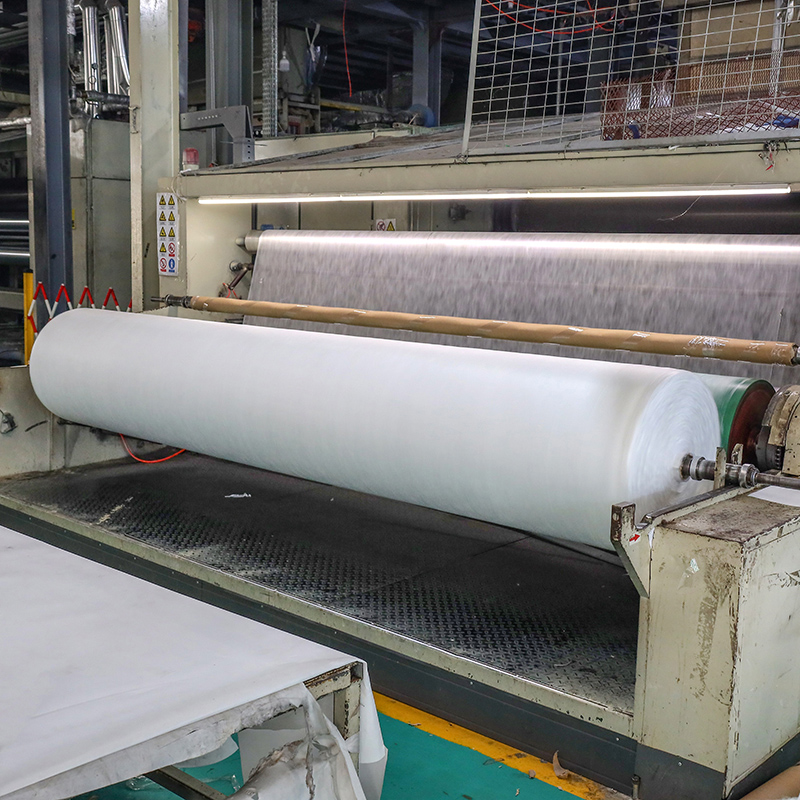
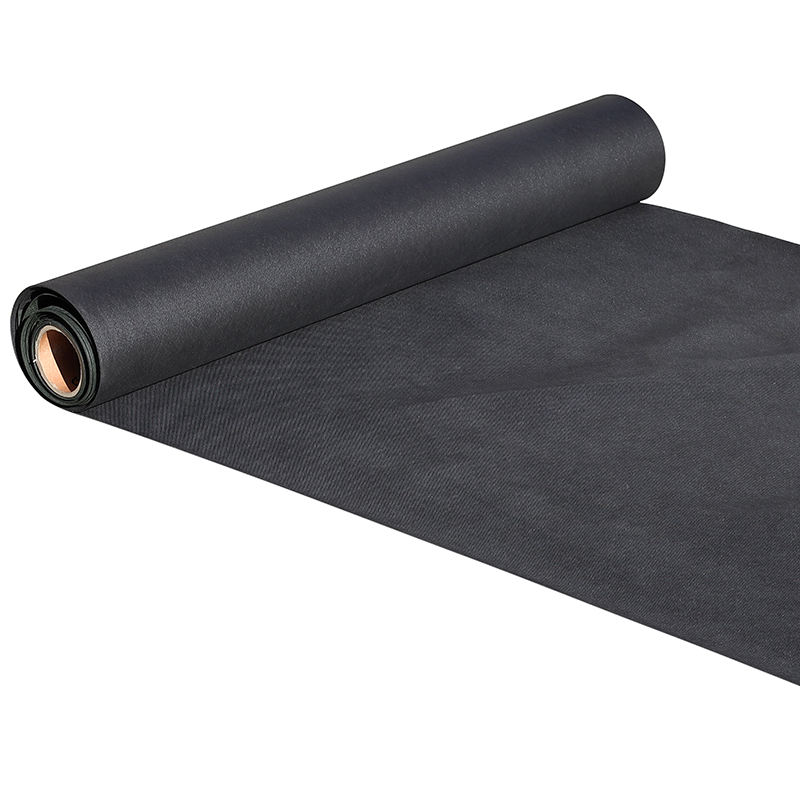
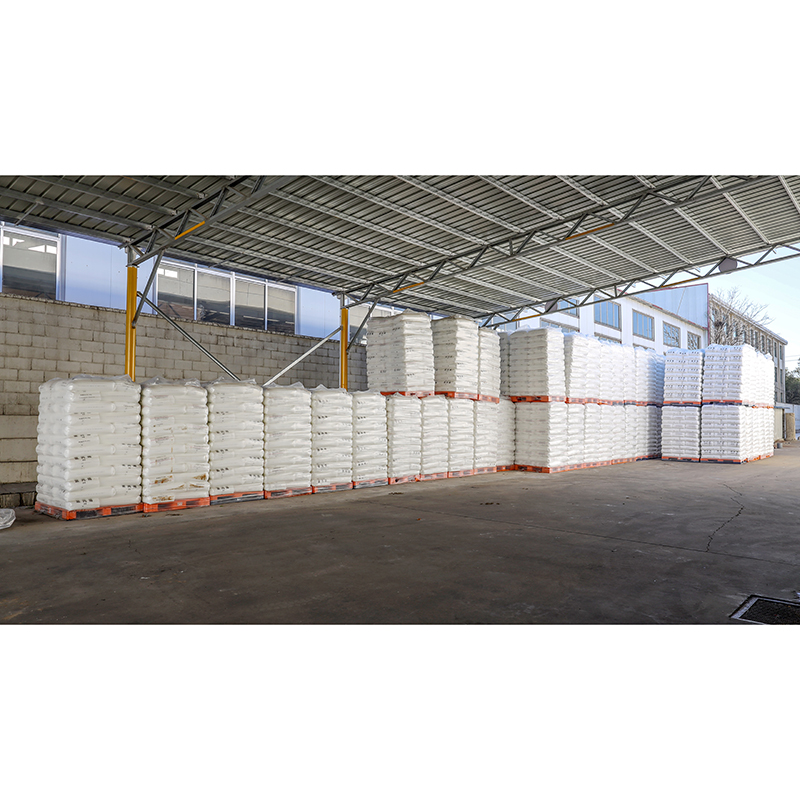
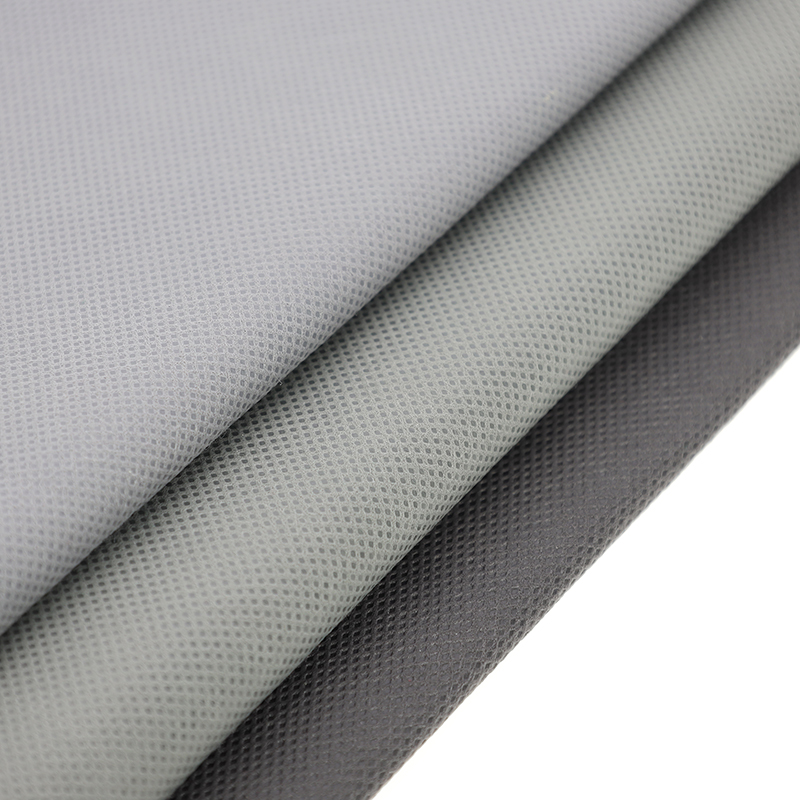
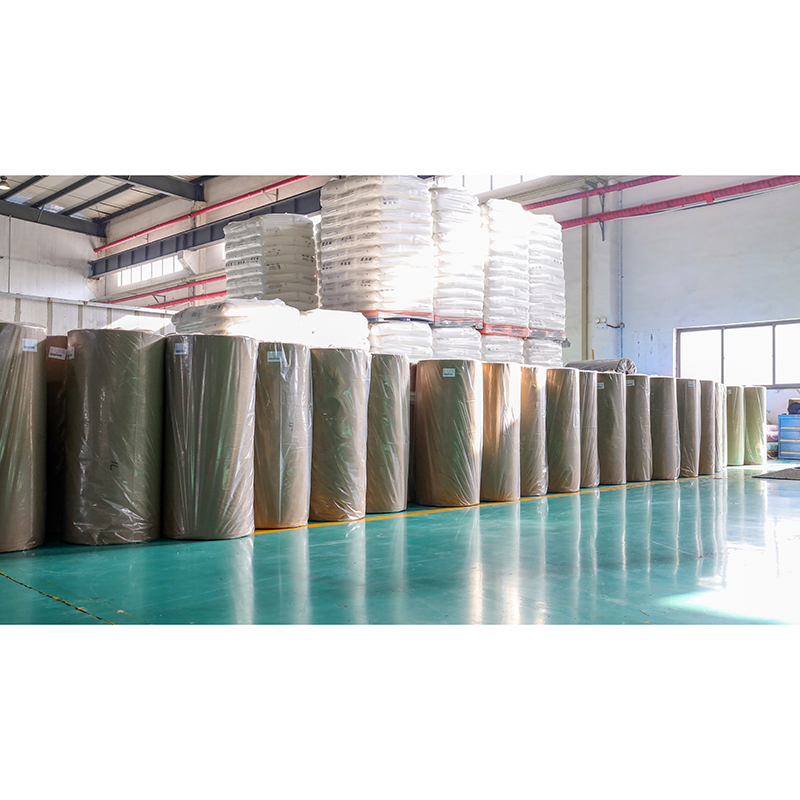
﹣Non-woven technology: Non-woven fabrics are produced by directly arranging short or long fibers into a web-like structure, which is then mechanically, chemically, or thermally bonded to form a stable fabric. This process bypasses the traditional spinning and weaving steps, resulting in high production efficiency and lower costs.
﹣Rapid manufacturing: The production process for non-woven fabrics is relatively simple and can quickly respond to market demands, making it ideal for large-scale production.
Traditional Textiles:
﹣Weaving technology: Traditional textiles are made through a two-stage process involving spinning fibers into yarns, followed by weaving these warp and weft threads together on a loom. This method is more complex and time-consuming.
﹣Design versatility: Traditional textiles allow for diverse textures and appearances through different weaving techniques and pattern designs.
Performance Characteristics
Non-Woven Fabrics:
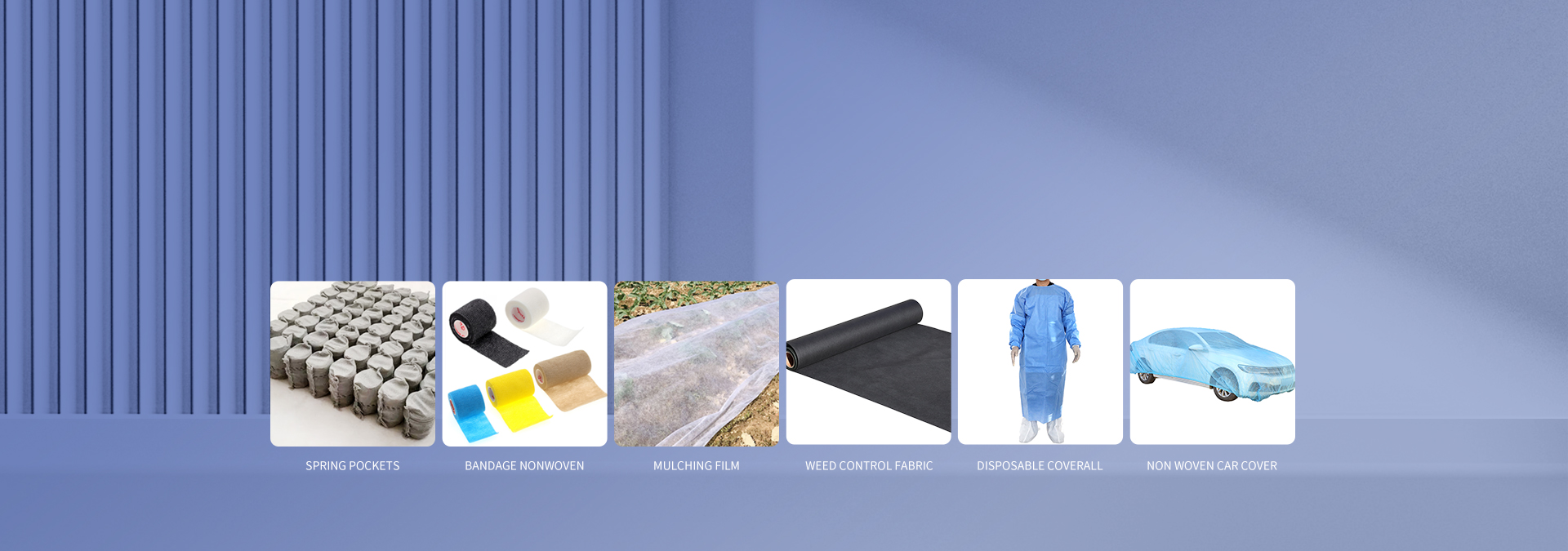
﹣Breathability and permeability: Non-woven fabrics typically exhibit good breathability and water permeability, making them suitable for disposable hygiene products and agricultural cover materials.
﹣Strength and durability: While generally less strong and durable than traditional textiles, non-woven fabrics can have enhanced strength through chemical additives or specialized bonding methods.
﹣Environmental friendliness: The production of non-woven fabrics generates minimal waste, and some types can be recycled.
Traditional Textiles:
﹣Strength and durability: Traditional textiles generally offer higher strength and durability, making them suitable for applications requiring long-term use, such as clothing and household goods.
﹣Comfort: Natural fibers like cotton, linen, and silk provide excellent comfort and skin-friendliness, making them ideal for direct skin contact.
﹣Aesthetic appeal: Traditional textiles can achieve rich patterns and vibrant colors through dyeing and printing processes, offering high visual appeal.
Application Fields
1Non-Woven Fabrics:
Disposable hygiene products: Widely used in items such as surgical masks, protective suits, sanitary napkins, and diapers.
Agriculture and horticulture: Used as crop covers (e.g., insect nets, insulation films) to protect plants effectively.
Industrial applications: Employed in filtration materials, insulating materials, soundproofing materials, and other industrial uses.
2.Traditional Textiles:
Apparel: The primary material for garment manufacturing, including cotton, silk, wool, and other fabrics.
Home furnishings: Used for bedding, curtains, sofa covers, and other household textiles.
Decorative uses: Also applied in curtains, rugs, wall hangings, and decorative panels.
3.Cost and Pricing
Non-Woven Fabrics:
Low cost: Due to its simple production process and high efficiency, non-woven fabric has a relatively low cost. This gives it a clear advantage in disposable and low-cost applications.
4.Traditional Textiles:
Higher cost: The complex production process and longer cycle result in higher costs. However, the durability and aesthetic quality of traditional textiles give them a competitive edge in premium clothing and home furnishing markets.
Environmental Impact
5.Non-Woven Fabrics:
Biodegradability: Some non-woven fabrics (e.g., polypropylene-based) possess varying degrees of biodegradability, reducing environmental impact.
Recyclability: The production process generates little waste, and certain non-woven fabrics can be recycled.
6.Traditional Textiles:
Natural fibers: Natural fiber textiles (such as cotton, linen, and silk) are biodegradable and environmentally friendly.
Synthetic fibers: Some synthetic fibers (like polyester) are difficult to degrade and may pose environmental concerns.
Conclusion
Non-woven fabrics and traditional textiles differ significantly in production processes, performance characteristics, application areas, cost, and environmental impact. Non-woven fabrics, with their high production efficiency, low cost, and excellent breathability, are widely used in disposable hygiene products, agricultural covers, and industrial applications. In contrast, traditional textiles stand out due to their high strength, durability, comfort, and aesthetic appeal, making them ideal for clothing, home furnishings, and decorative purposes. When selecting materials, users should consider specific application requirements and performance needs to make an informed decision based on the distinct advantages of each type.