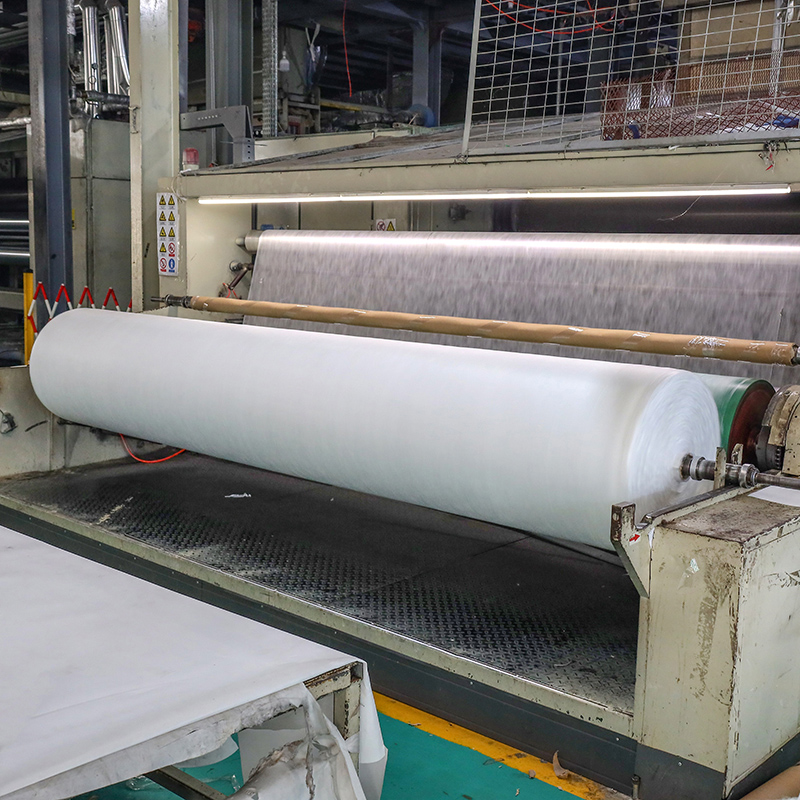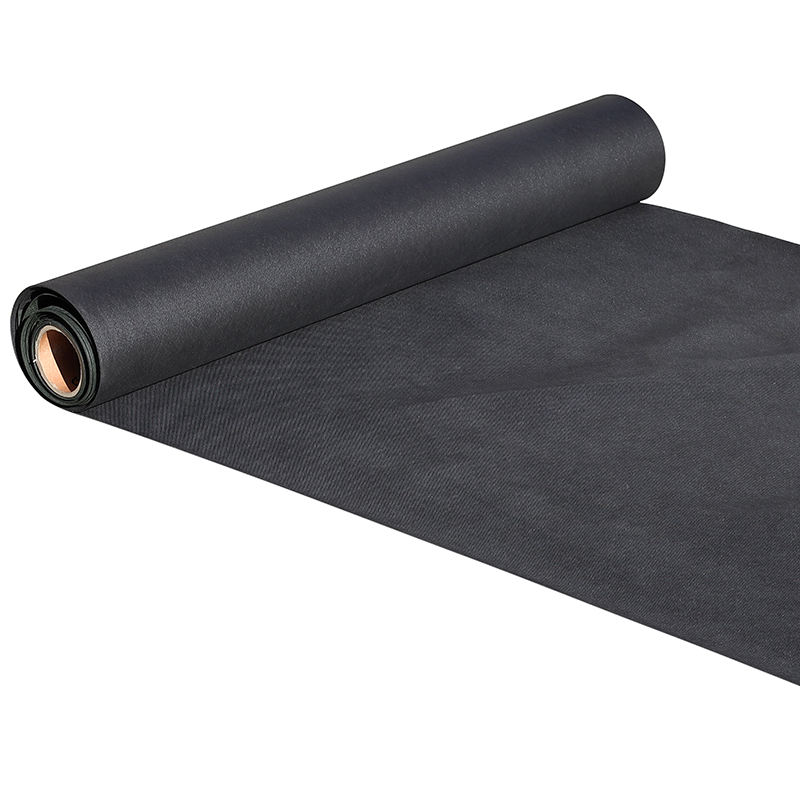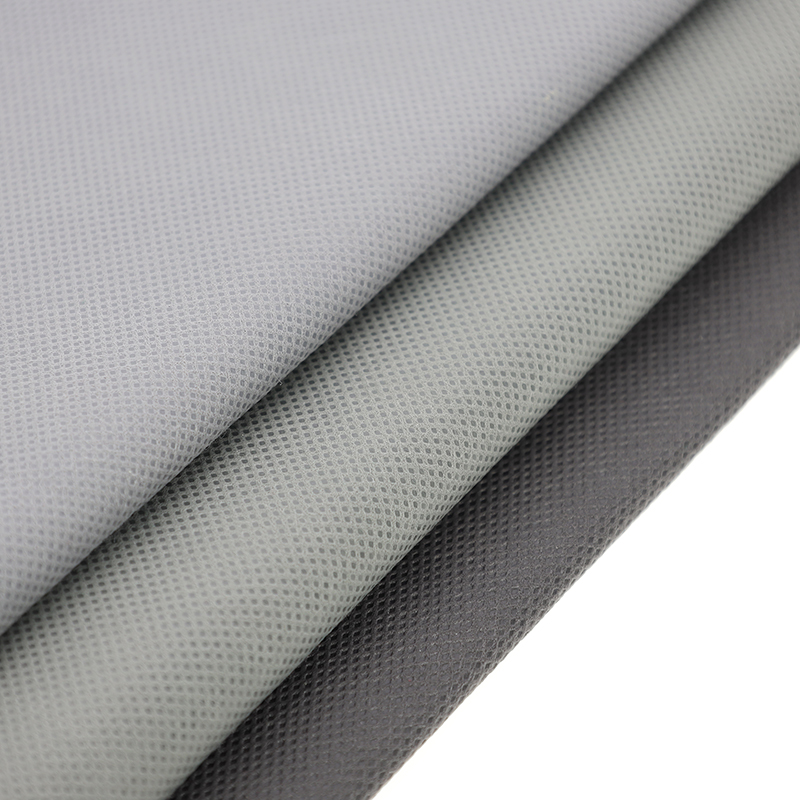

Nonwoven fabrics have become indispensable materials in modern automotive manufacturing. Known for their versatility, cost-effectiveness, and performance-driven properties, nonwovens are integrated into numerous vehicle components—contributing to comfort, safety, noise reduction, filtration, and sustainability. With an average car containing approximately 25 kilograms (over 55 pounds) of nonwoven materials across 30 to 40 different parts, their role continues to expand as automakers seek lighter, smarter, and more eco-friendly solutions.
Interior Comfort and Acoustics
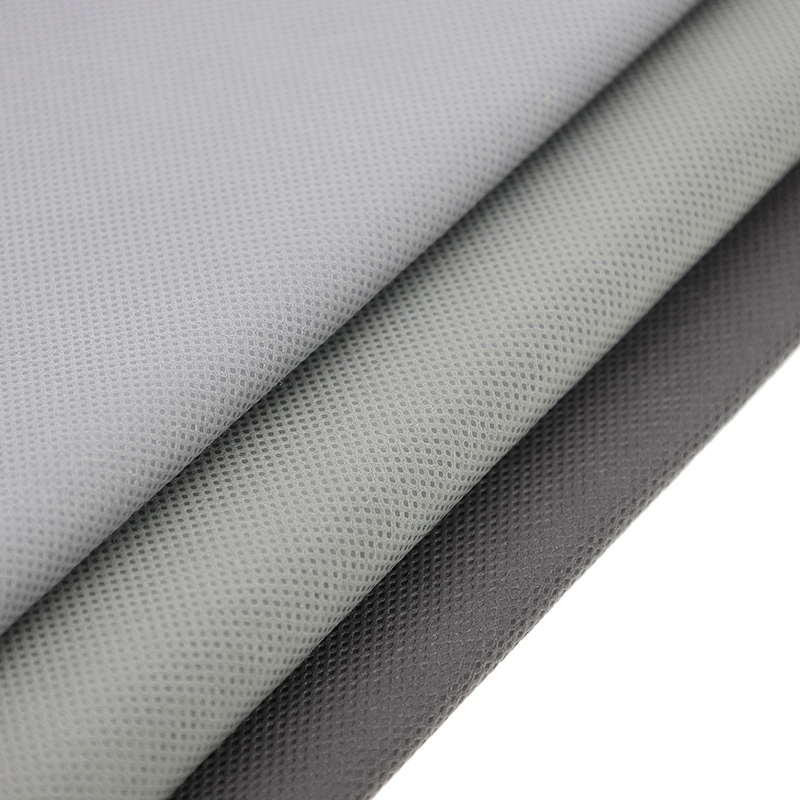
One of the most visible applications of nonwovens is in vehicle interiors. Seat covers, headliners, door panels, and trunk liners often incorporate needle-punched or spunbond nonwovens. These materials provide softness, durability, and aesthetic flexibility while maintaining breathability. More importantly, nonwovens excel in acoustic insulation. Their porous fiber structure effectively absorbs sound waves, reducing cabin noise from engines, road surfaces, and wind. This acoustic damping enhances passenger comfort and supports the quiet operation demanded by electric vehicles (EVs), where mechanical noise is minimal but road and wind sounds become more noticeable.
Filtration Systems
Nonwoven fabrics are critical in automotive filtration. Cabin air filters, engine air filters, oil filters, and fuel filters commonly use melt-blown or composite nonwoven media. These materials offer high filtration efficiency, capturing dust, pollen, soot, and even microscopic contaminants while allowing optimal airflow. In EVs and hybrid vehicles, battery cooling systems also utilize nonwoven filters to maintain thermal management and prevent particulate ingress that could compromise performance or safety.
Under-the-Hood and Structural Uses
Under the hood, nonwovens serve in heat shielding, gasketing, and fluid absorption. High-temperature-resistant nonwovens made from aramid or glass fibers protect sensitive components from radiant heat. Additionally, nonwovens are used as separators in lead-acid and lithium-ion batteries, ensuring ionic conductivity while preventing short circuits—a vital function as vehicle electrification accelerates.
Sustainability and Lightweighting
Automotive manufacturers increasingly prioritize lightweight materials to improve fuel efficiency and reduce emissions. Nonwovens, being significantly lighter than traditional textiles or molded plastics, support this goal without sacrificing functionality. Moreover, many nonwovens are now produced from recycled fibers—including post-consumer PET bottles—and are themselves recyclable at end-of-life, aligning with circular economy principles. Bio-based nonwovens derived from natural fibers like hemp or flax are also gaining traction as sustainable alternatives.
Future Outlook
As vehicles evolve toward greater automation, electrification, and connectivity, the demand for smart, multifunctional nonwovens will grow. Innovations such as conductive nonwovens for sensor integration or antimicrobial finishes for health-conscious interiors are already emerging. With ongoing advances in material science and manufacturing, nonwoven fabrics will remain at the forefront of automotive innovation—delivering performance, comfort, and environmental responsibility in every mile driven.