
In daily life, when faced with "non-woven fabric" and "cotton cloth," we often confuse the two concepts. Although both are common textile materials, they differ fundamentally in raw material composition, production processes, physical properties, and application scenarios. Understanding these differences helps us make more informed decisions when purchasing products.
I. Raw Materials and Essence: Chemical Fibers vs. Natural Plants
Cotton cloth is a typical natural textile. Its raw material comes directly from cotton plant fibers, which undergo harvesting, spinning, and weaving to produce the final fabric. It retains cotton's natural skin-friendly properties, breathability, and moisture absorption, feeling soft and comfortable. It is widely recognized as a "breathable fabric."
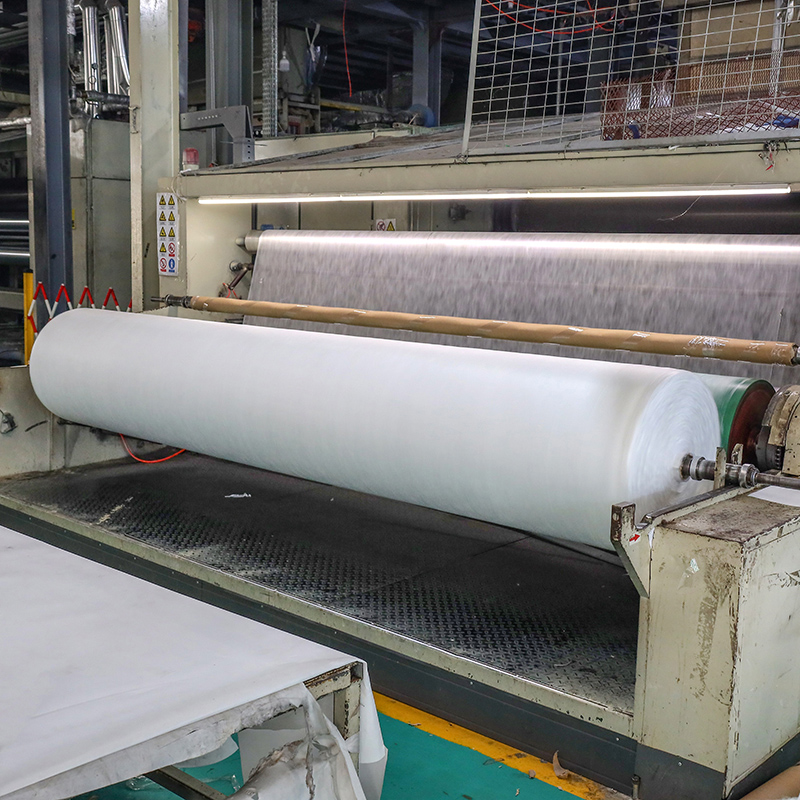
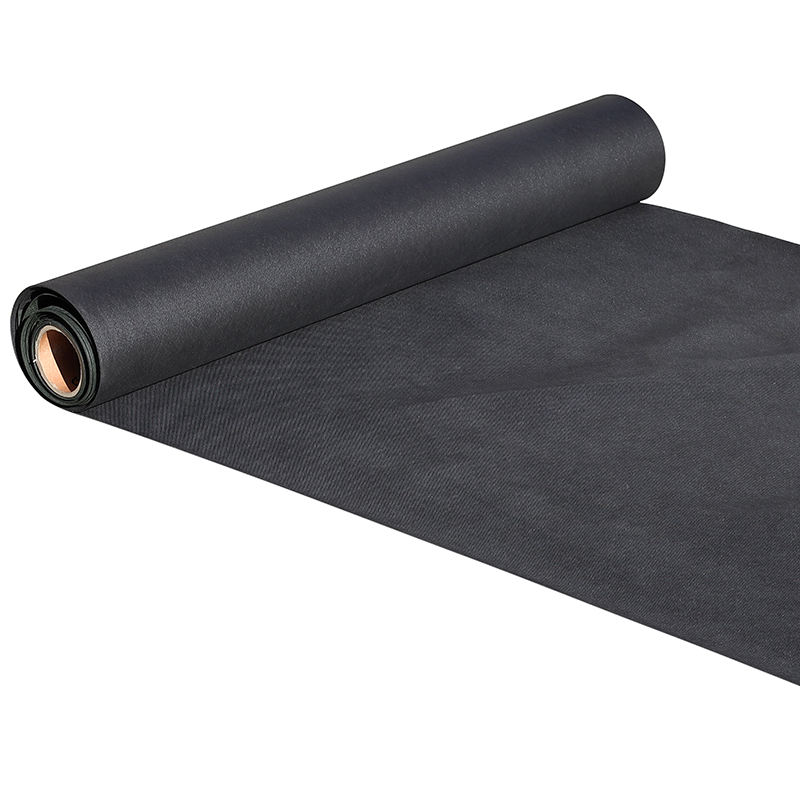
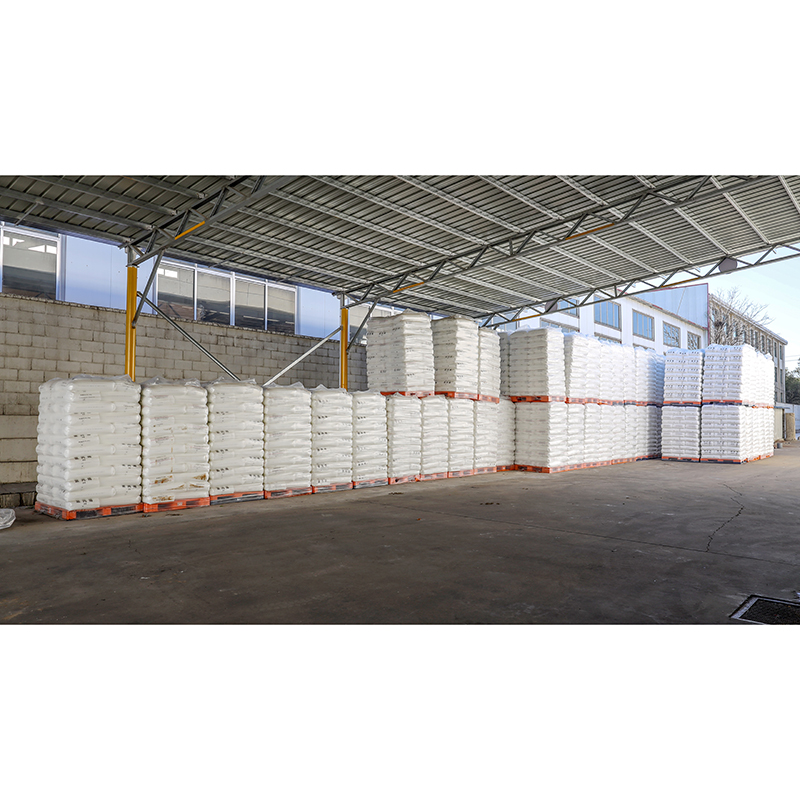
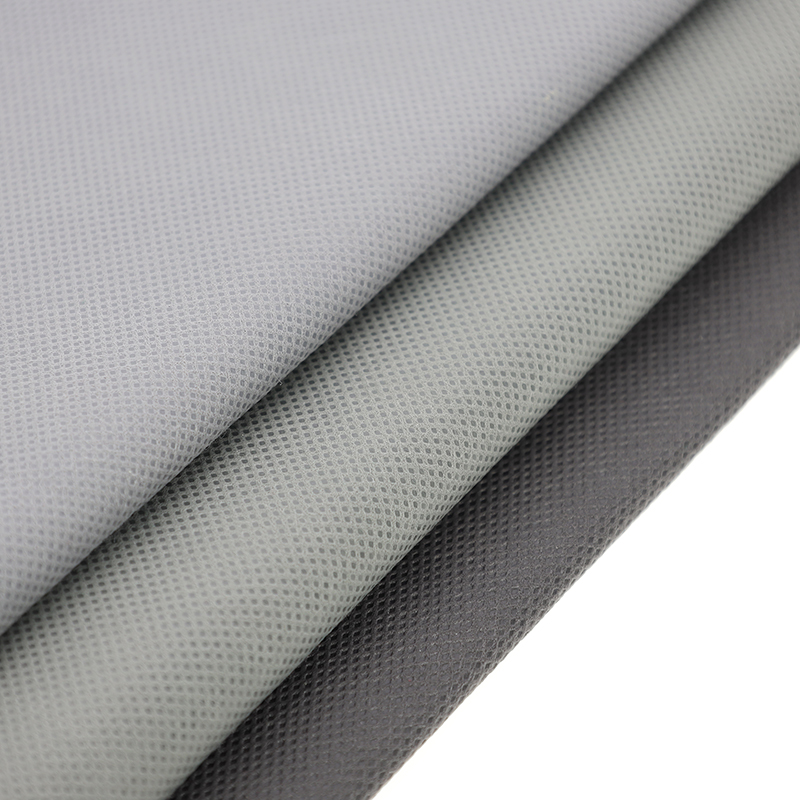
In contrast, non-woven fabric (Non-woven Fabric) is not a traditional "fabric" in the strict sense. The English name literally means "non-woven." Unlike conventional textiles, non-woven fabrics do not go through the traditional spinning and weaving processes. Instead, fibers are bonded together directly into sheet-like structures using physical or chemical methods such as needle punching, heat pressing, or hydroentanglement. Their raw materials are mostly polypropylene (PP), polyester (PET), and other petrochemical products, falling under the category of synthetic fibers. Therefore, essentially speaking, cotton is a natural organic fiber, while non-woven fabrics are mostly man-made inorganic or synthetic fibers.
II. Production Processes and Structure: Warp-and-Weft Interlacing vs. Random Stacking
The manufacturing of cotton cloth follows a strict textile logic: first spun into yarns, then woven into fabric through warp and weft interlacing. This structure gives cotton cloth stable textures, good drape, and high strength, but it also implies relatively higher production costs and significant water consumption during the process.
Non-woven fabric production is more industrialized and efficient. Short or long fibers are either oriented or randomly stacked and then consolidated using binders, hot rolling, or needle punching techniques. This "random stacking" structure means non-woven fabrics typically lack clear warp and weft directions. They may feel stiff or soft depending on the process, and once torn, they tend to fray easily, unlike cotton cloth which can be finely hemmed.
III. Performance Comparison: Comfort and Durability vs. Functionality and Convenience
In terms of comfort, cotton cloth is superior. It has excellent moisture absorption and sweat-wicking capabilities, is non-irritating to the skin, and is suitable for making close-fitting clothing, bed sheets, towels, etc. Long-term use does not cause allergies, and it becomes softer with repeated washing.
The advantages of non-woven fabrics lie in their functionality and cost-effectiveness. They are lightweight, inexpensive, and produced rapidly. Some types offer waterproofing, oil resistance, bacterial barrier properties, or are designed for single-use applications (e.g., medical masks, surgical gowns). However, ordinary non-woven fabrics have poor breathability, weak water absorption, and cannot withstand high-temperature washing. Repeated washing often leads to deformation or damage, so most are designed for single or short-term use.
IV. Differentiated Application Scenarios
Based on these differences, the application fields of the two materials are distinct:
Cotton Cloth: Widely used in apparel (T-shirts, underwear, shirts), home textiles (bedding, towels), and high-end packaging. It emphasizes durability, aesthetics, and health.
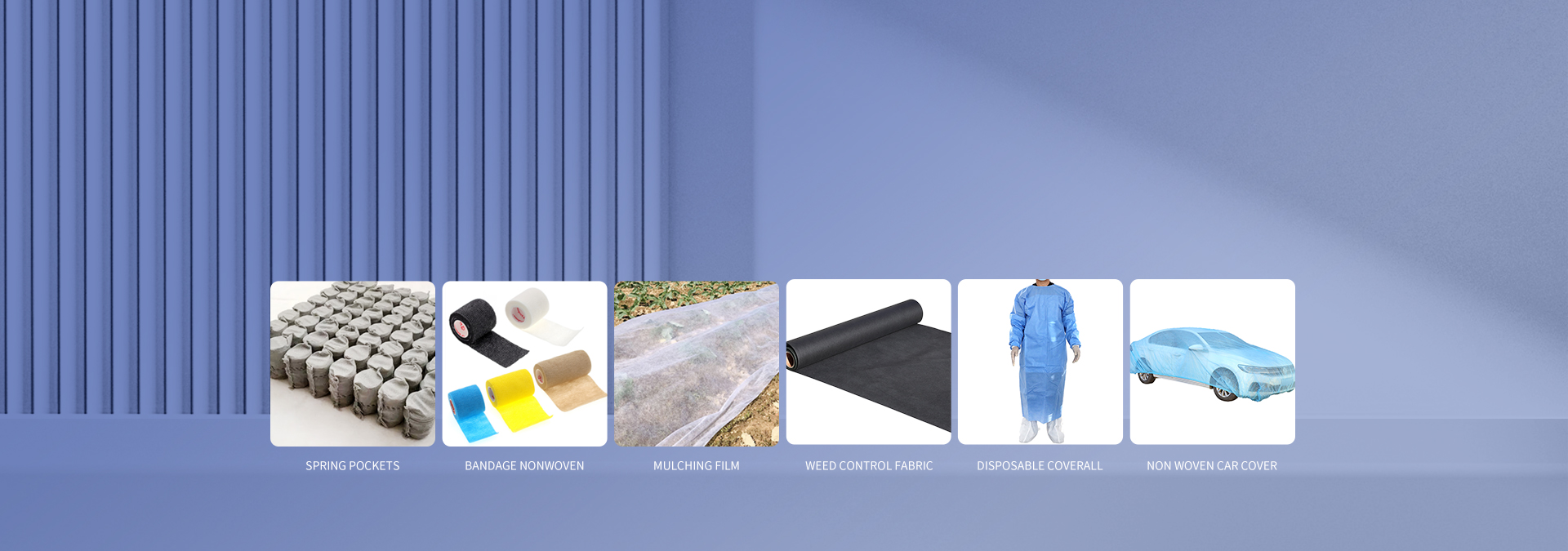
Non-Woven Fabric: Primarily used in medical supplies (masks, protective suits), eco-friendly shopping bags, agricultural mulch films, filtration materials, wipes, and disposable hygiene products. It focuses on efficiency, isolation, and specific functional properties.
Conclusion
In summary, non-woven fabric and cotton cloth are not simply about superiority or inferiority; rather, they serve different application scenarios. If you pursue personal comfort, long-term durability, and natural health attributes, cotton cloth is the best choice. If you need low-cost, high-efficiency single-use protection, specific barrier functions, or temporary packaging solutions, non-woven fabric is a more economical and practical option. Understanding their fundamental differences allows us to better utilize these materials in our lives and achieve optimal resource allocation.