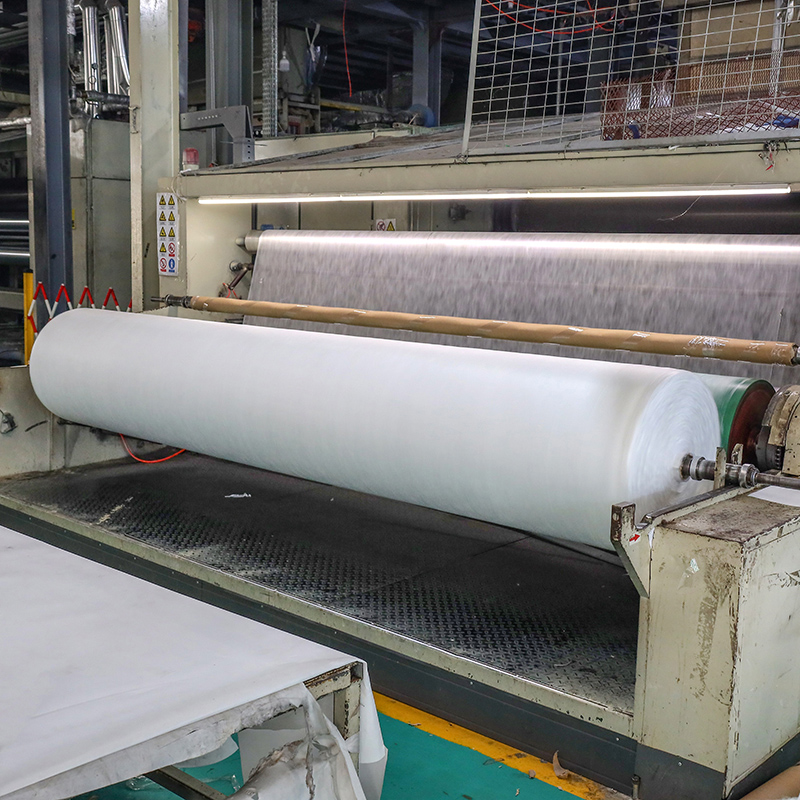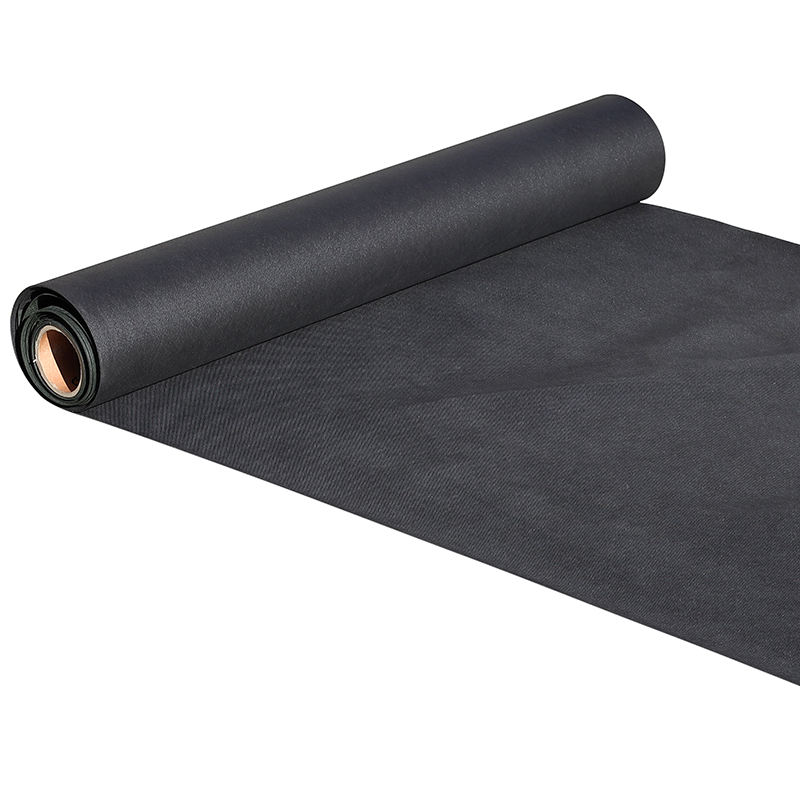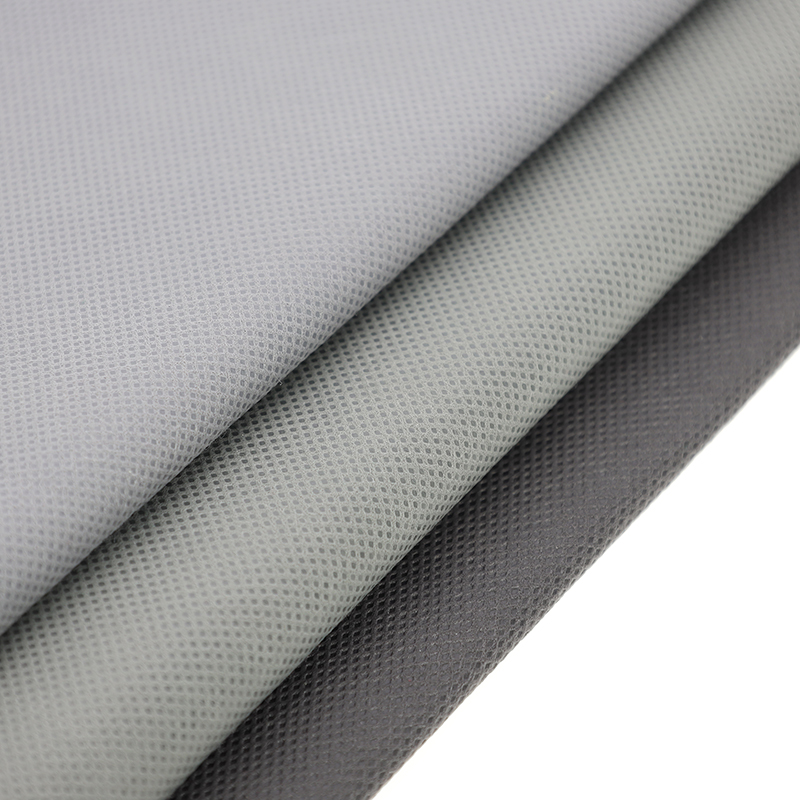
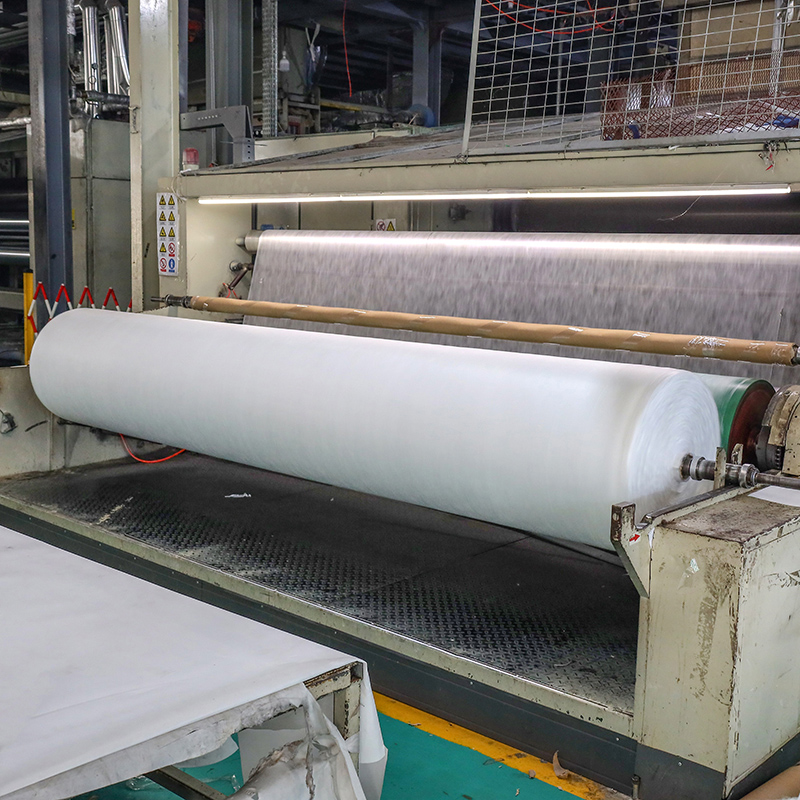
Non-woven fabric is a type of textile material that does not require traditional spinning or weaving processes. It is formed by directly arranging short fibers or continuous filaments in a directional or random manner, then consolidating them through friction, entanglement, or bonding methods. Due to its rapid production speed, low cost, and wide range of applications, non-woven fabric is extensively used across numerous industries. This article explores the suitable application scenarios of non-woven fabric in detail.
I. Medical and Hygiene Sector
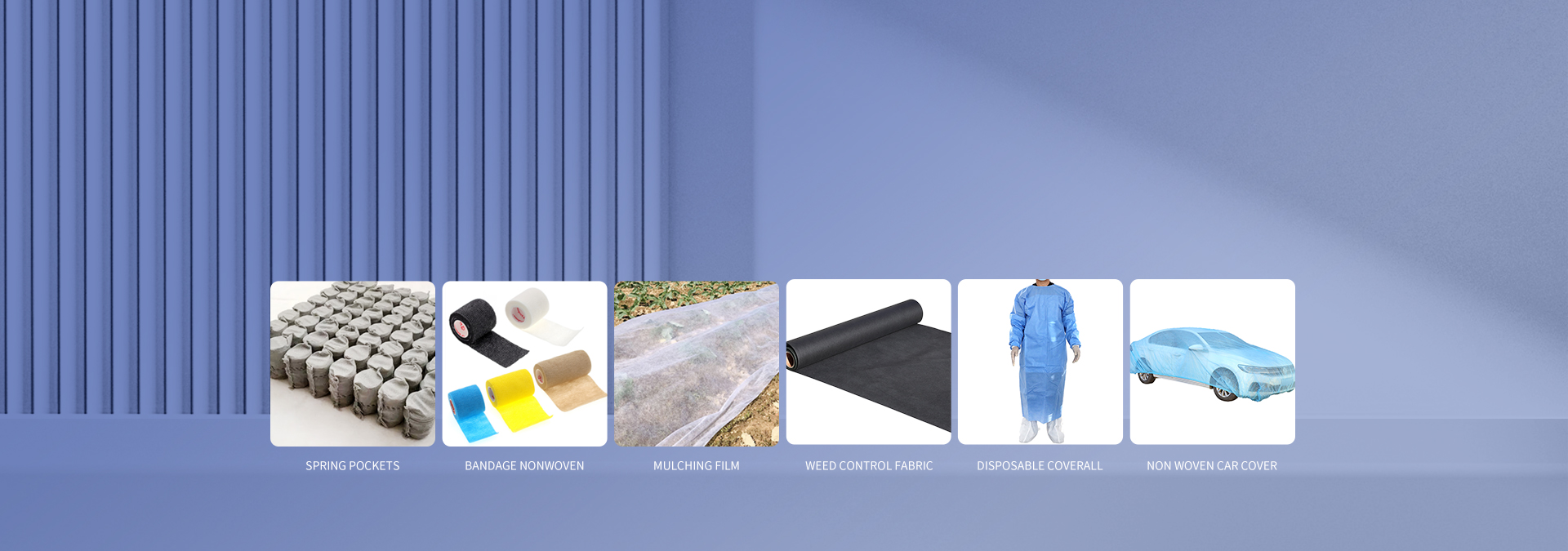
Non-woven fabric plays a crucial role in the medical and hygiene fields. Thanks to its excellent breathability, moisture absorption, and sterility, it is commonly used to manufacture disposable medical products such as surgical gowns, masks, protective suits, and medical dressings. These items effectively prevent the transmission of bacteria and viruses while providing a comfortable user experience for healthcare workers and patients. During the pandemic, non-woven fabric-based masks and protective suits became essential barriers in safeguarding public health.
II. Agricultural Sector
In agriculture, non-woven fabric also serves vital functions. It is widely used as a covering material for greenhouses and seedling beds, effectively regulating temperature and humidity within the greenhouse to create an ideal growing environment for crops. Additionally, it can be used to produce agricultural protection products such as insect nets and weed barrier fabrics, helping reduce pesticide usage and enhancing crop quality and safety. Its light-transmitting and insulating properties allow plants to grow in a stable, controlled environment, thereby improving yield and quality.
III. Industrial Sector
Non-woven fabric has broad applications in industrial production. It is used to make industrial filtration materials, such as air filters and liquid filter cloths, which effectively remove impurities and contaminants, ensuring clean and efficient manufacturing processes. In packaging, non-woven bags offer strong load-bearing capacity and protective performance, making them suitable for packaging various goods, including electronics and food products. Furthermore, non-woven fabric is used to produce insulation and soundproofing materials, offering versatile solutions for industrial needs.
IV. Household and Decoration Sector
In household and interior decoration, non-woven fabric finds rich applications. It is used to create various home textiles such as tablecloths, curtains, sofa covers, and wall panels. These products not only enhance visual appeal but also provide protective functions for living spaces. The printability and ease of processing of non-woven fabric allow customization according to different interior styles and consumer preferences, meeting demands for personalization and aesthetics. Additionally, it is used in wallpaper and wall decals, adding unique artistic ambiance to indoor environments.
V. Apparel and Footwear Sector
Non-woven fabric is also applied in apparel and footwear. It is used to produce functional garments such as raincoats and windbreakers, which offer excellent waterproofing and breathability, protecting users in harsh weather conditions. In footwear, it can be used for shoe insoles and hat linings, improving comfort and ventilation. Moreover, non-woven fabric is increasingly used in fashion accessories like scarves and handbags, offering consumers more style choices.
VI. Other Application Areas
Beyond the above sectors, non-woven fabric is widely used in many other fields. In automotive manufacturing, it is employed for interior components such as seat covers and sunroofs, enhancing both comfort and aesthetic appeal inside vehicles. In aerospace, it is used to produce lightweight protective and thermal insulation materials, contributing to flight safety. In sports equipment, non-woven fabric is used for athletic gear, such as protective pads and sport towels, delivering enhanced comfort during physical activity.
Conclusion
Non-woven fabric, with its unique properties and extensive application scope, plays a significant role across multiple industries—from healthcare and agriculture to industrial manufacturing, household furnishings, apparel, environmental protection, and beyond. Its versatility enables it to meet diverse requirements in different contexts. With ongoing technological advancements and continuous improvements in production processes, the performance and application range of non-woven fabric will continue to expand. In the future, non-woven fabric is expected to play an even greater role in enhancing everyday life and industrial productivity, offering innovative, efficient, and sustainable solutions across a broader spectrum of fields.