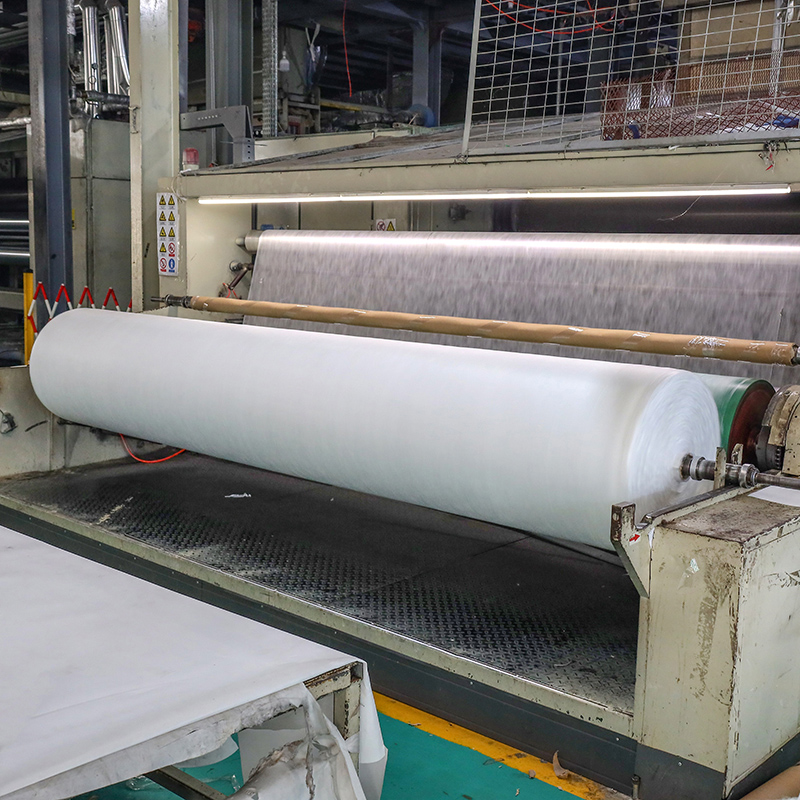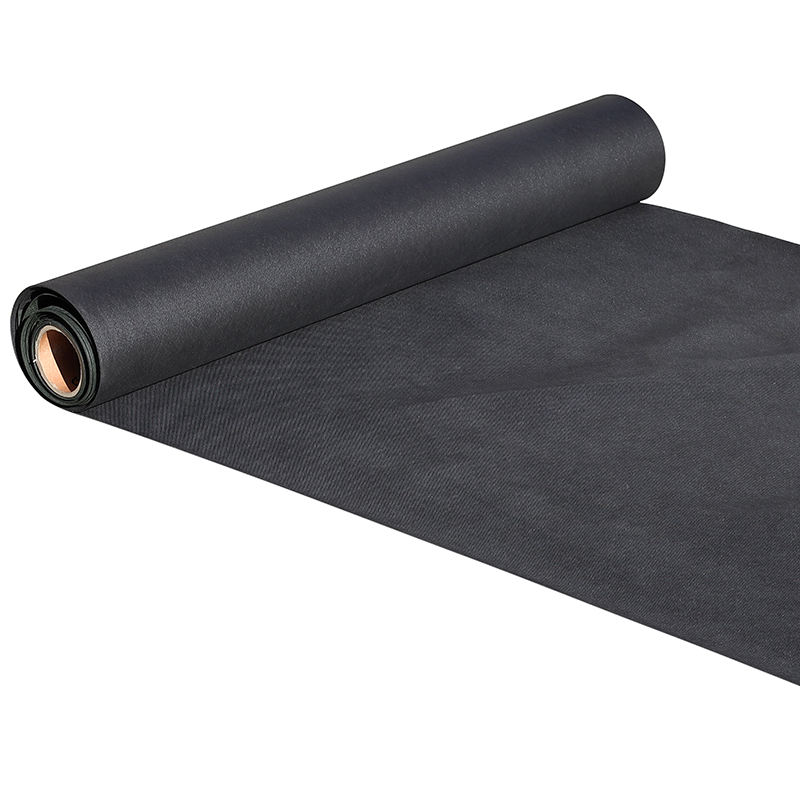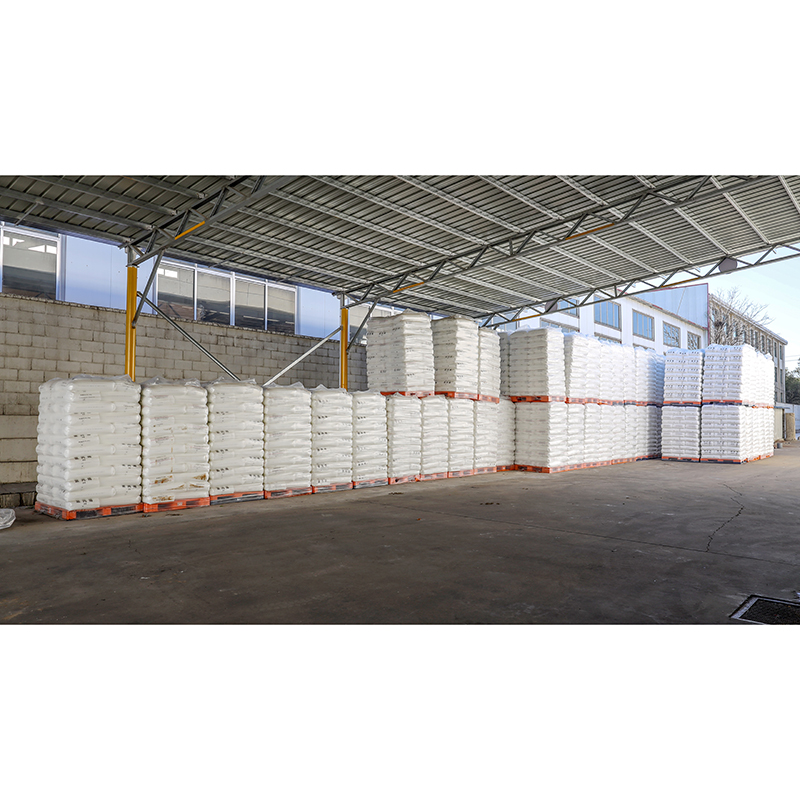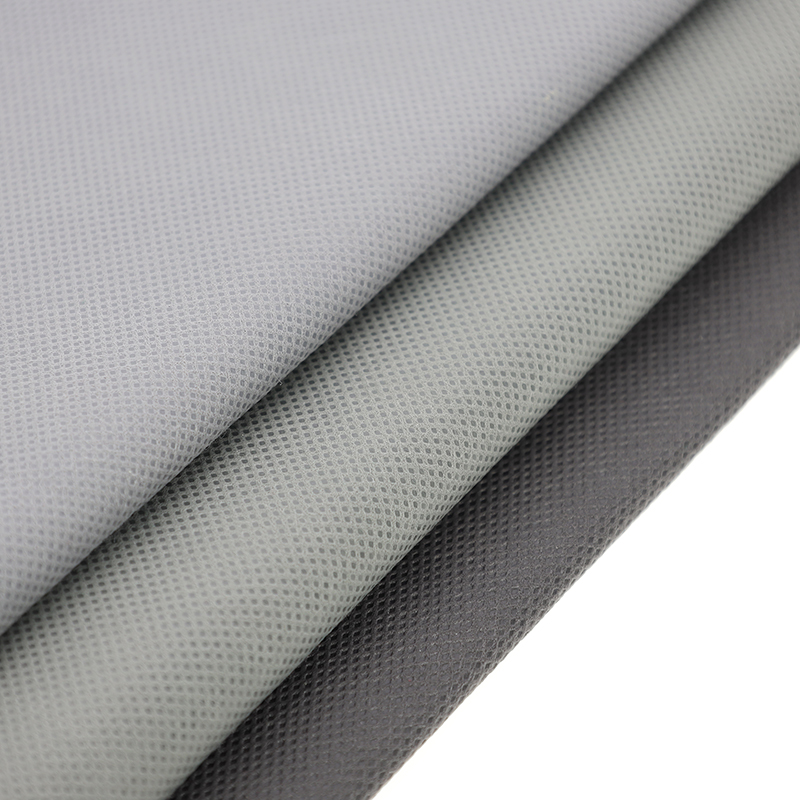
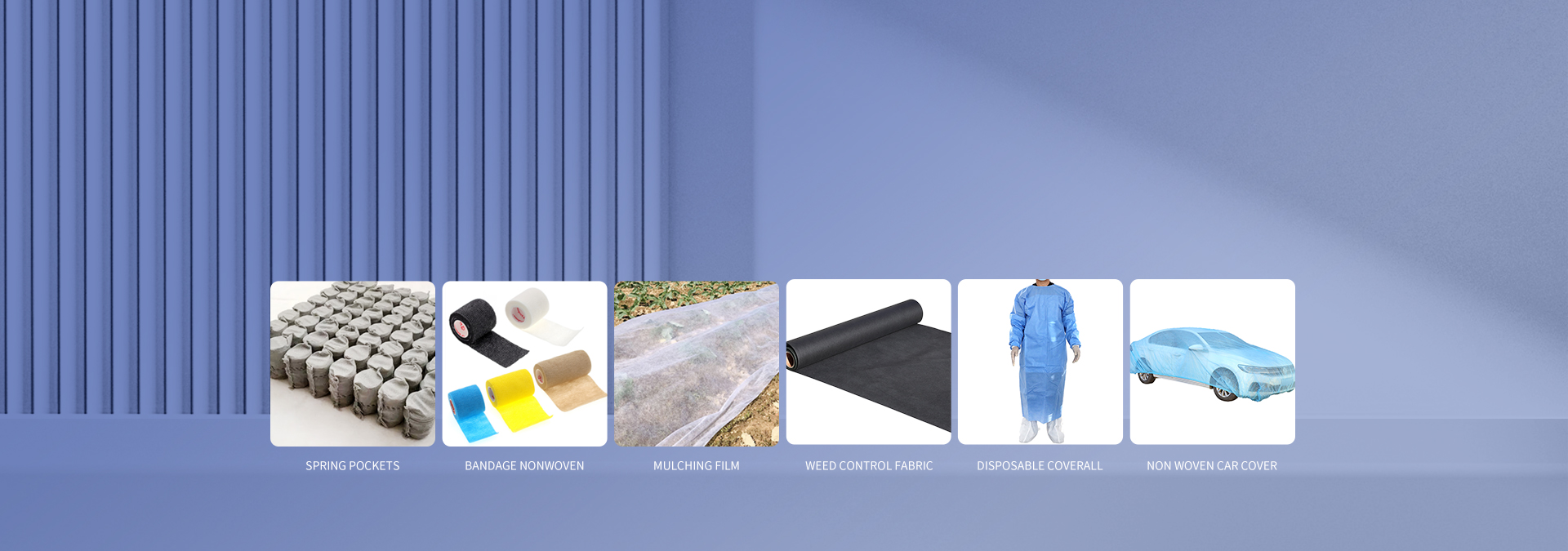
Non-woven fabric is a type of textile material that does not require traditional spinning and weaving processes. It features rapid production, low cost, and broad applicability. Due to its unique physical properties and diverse processing methods, non-woven fabric has found extensive use across numerous industries. This article provides a detailed overview of its applications in different sectors.
I. Healthcare Industry
Medical Supplies
Non-woven fabric is widely used in the healthcare sector, particularly in the production of disposable medical products. Items such as surgical gowns, caps, masks, and protective suits are commonly made from non-woven materials. These products offer excellent breathability and comfort while effectively preventing the spread of bacteria and viruses, ensuring the health and safety of both medical staff and patients.
Medical Packaging
Non-woven fabric is also employed for packaging medical devices and pharmaceuticals. Its combination of breathability and moisture resistance helps protect contents from dampness and contamination. For example, non-woven bags are frequently used to package medical instruments and medicines, ensuring their safety during transportation and storage.
II. Agriculture Industry
Agricultural Covering
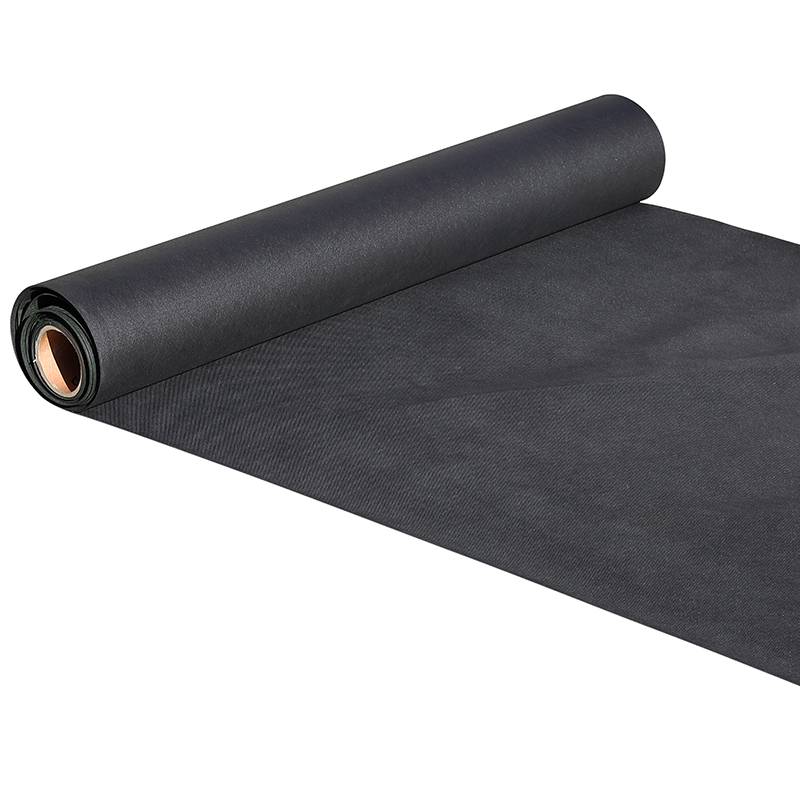
In agriculture, non-woven fabric is often used as a covering material for greenhouses, seedling trays, and crop protection. It helps regulate temperature, maintain humidity, and suppress weed growth, thereby improving crop yield and quality. During the seedling stage, non-woven covers provide an optimal microenvironment for young plants, promoting healthy development.
Agricultural Protection
Non-woven fabric is also used for agricultural protection, such as insect nets and bird deterrent nets. These products effectively prevent pests and birds from damaging crops, reducing the need for chemical pesticides and helping preserve ecological balance.
III. Industrial Sector
Industrial Wiping
Due to its excellent water absorption and softness, non-woven fabric is commonly used for industrial cleaning. In industries such as electronics, machinery, and automotive manufacturing, it is used to clean equipment, components, and tools, ensuring a clean production environment and maintaining product quality.
Filtration Materials
Non-woven fabric is extensively used as filtration material for air and liquid filtration. Its porous structure and good permeability enable effective removal of impurities, enhancing the cleanliness of air and liquids. For instance, non-woven filters are commonly integrated into air purifiers to remove dust and harmful particles from indoor air.
IV. Household Goods Industry
Home Decoration
Non-woven fabric is widely applied in home decoration, including curtains, tablecloths, sofa covers, and wall panels. These products offer excellent breathability and comfort, along with a wide range of colors and patterns, meeting diverse consumer preferences in interior design.
Household Cleaning
Non-woven fabric is also used in household cleaning products such as cleaning cloths and mop heads. Its strong absorbency and soft texture allow it to effectively clean surfaces without damaging furniture or flooring.
V. Apparel Industry
Apparel Accessories
In the clothing industry, non-woven fabric is frequently used as an auxiliary material, such as linings, shoulder pads, and cuff reinforcements. These components provide breathability, comfort, structural support, and help maintain garment shape, enhancing overall quality and appearance.
Disposable Clothing
Non-woven fabric is also used to produce disposable garments like workwear and protective suits. These items offer excellent protective performance and comfort, making them suitable for various working environments and special occasions.
VI. Food Packaging Industry
Food Packaging
Due to its excellent breathability and moisture resistance, non-woven fabric is commonly used in food packaging. For example, non-woven bags are used to pack vegetables, fruits, and meat, helping maintain freshness and ensure food safety.
Food Processing
Non-woven fabric is also utilized in food processing for filtration and cleaning purposes. For instance, non-woven filter meshes are used to filter liquids such as juice and milk, ensuring high product purity and quality.
Conclusion
With its unique physical properties and versatile processing capabilities, non-woven fabric is widely applied across multiple industries—including healthcare, agriculture, industrial manufacturing, household goods, apparel, environmental protection, automotive production, and food packaging. Whether in the manufacture of disposable medical supplies, agricultural coverings, or industrial wiping solutions, non-woven fabric consistently demonstrates efficiency, environmental friendliness, and cost-effectiveness. As technology continues to advance, the application scope of non-woven fabric will expand further, offering innovative and sustainable solutions for an ever-growing range of industries.